An Exclusive TRIP NAVIGATOR of India Tourism


Virudhunagar is an important commercial town in southern Tamil Nadu known for its trading history, especially in oil, cotton, and match industries. The district has historical temples, scenic hill ranges near the Western Ghats, and culturally significant towns. It is also the birthplace of the renowned Indian leader K. Kamaraj and is famous for its traditional cuisine and vibrant markets.
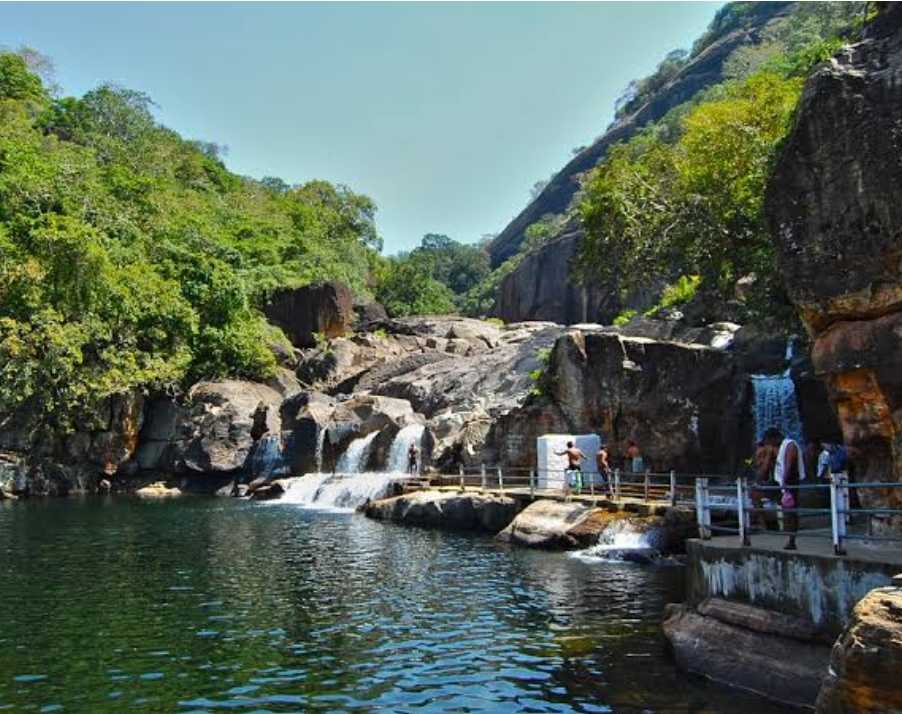
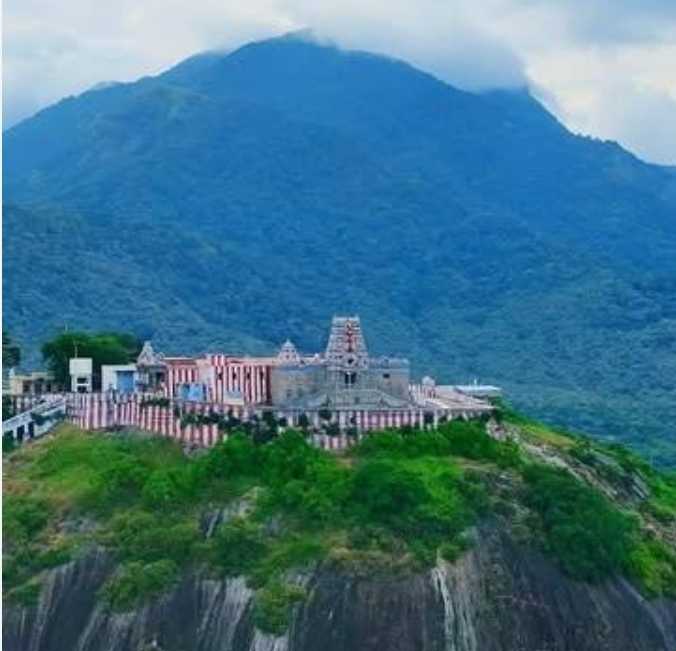
Attractions in Virudhunagar district include Srivilliputhur Andal Temple, Sivakasi, Arulmigu Subramaniya Swamy Temple, Nedunkulam Lake, Periyar Falls, Padmaneri Hills, Kallaru Dam, Vembakottai, Rajapalayam, Sankarankoil Hills, Ayyanar Falls, Sathur, Pilavakkal Dam, Vembakottai Dam, Kamaraj Memorial House, Sathuragiri Hills, Thiruthangal Nindra Narayana Perumal Temple, and Shenbagathoppu Grizzled Squirrel Wildlife Sanctuary.
The Srivilliputhur Grizzled Squirrel Wildlife Sanctuary, located in Virudhunagar is a protected area known for its rich biodiversity and scenic landscapes. Spread across the Western Ghats, it is home to the endangered grizzled giant squirrel, along with leopards, elephants, and various bird species. The sanctuary offers trekking trails, dense forests, and picturesque viewpoints, making it a popular destination for wildlife enthusiasts, nature lovers, and eco-tourists.
A lively southern town known for traditional snacks, temples, and busy markets. Sattur offers an auth.entic experience of local Tamil culture, trade activity, and everyday life.
Famous as India’s fireworks capital, Sivakasi is an industrial hub producing matches and printing materials, while also housing temples and cultural landmarks reflecting its heritage.
A quiet rural area surrounded by farmlands, Vembakottai offers peaceful landscapes and a glimpse into traditional agricultural life, ideal for those seeking simplicity and countryside charm.
An important textile town known for weaving and industries, Aruppukkottai blends economic activity with cultural traditions, featuring temples and local markets showcasing regional craftsmanship.

Birthplace of Sri Ramana Maharshi, this sacred town features the ancient Bhuminathaswamy Temple, attracting spiritual seekers and devotees interested in its deep religious significance.
The district headquarters, known for its trading history and as the birthplace of K. Kamaraj. It features bustling markets and historical importance in Tamil Nadu politics.
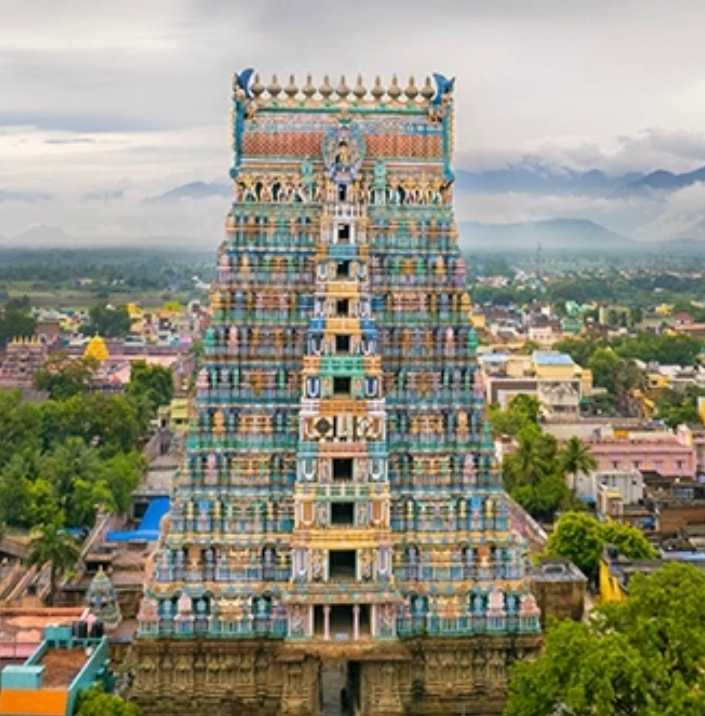
A renowned Divya Desam dedicated to Andal, featuring a towering gopuram that symbolizes Tamil Nadu. It attracts pilgrims nationwide for its religious importance and architectural beauty.
A forested eco-tourism zone offering trekking trails, dense greenery, and serene surroundings. It is perfect for nature exploration and experiencing the biodiversity of the Western Ghats.

Ramanathapuram is a historic coastal district in southern Tamil Nadu known for its strong religious significance, marine landscapes, and cultural heritage. The district is closely associated with the sacred island town of Rameswaram, one of the holiest pilgrimage centres for Hindus. With its temples, beaches, and coastal villages along the Gulf of Mannar, Ramanathapuram attracts pilgrims, nature lovers, and history enthusiasts.
Rameswaram is a sacred pilgrimage town on Pamban Island, famous for the Ramanathaswamy Temple, one of the twelve Jyotirlinga shrines of Lord Shiva. It is also known for Agni Theertham, Dhanushkodi Beach, and the Pamban Bridge. With its spiritual significance, pristine beaches, and historical sites, Rameswaram attracts devotees, history enthusiasts, and nature lovers alike.
Attractions in Ramanathapuram district include Ramanathaswamy Temple, Dhanushkodi, Pamban Bridge, Agni Theertham, Gandhamadhana Parvatham, Ariyaman Beach, Kothandaramaswamy Temple, Jada Tirtham, Villoondi Theertham, Ervadi Dargah, Ramalinga Swamigal Ashram, Devipattinam Navapashanam, APJ Abdul Kalam Memorial, Uthirakosamangai Temple, Kurushadai Islands, Gulf of Mannar Marine National Park, Pamban Island beaches, and Parakkai Lake.
Dhanushkodi is a small, historic town located at the southeastern tip of Rameswaram, near the confluence of the Bay of Bengal and the Indian Ocean. Once a thriving town, it was destroyed in a devastating cyclone in 1964 and is now largely a ghost town, attracting tourists for its scenic beaches, ruins, and serene landscapes.